Who we are
Pamela Dykstra, MRM, P.Ag., R.P.Bio (Ret.)
Founder
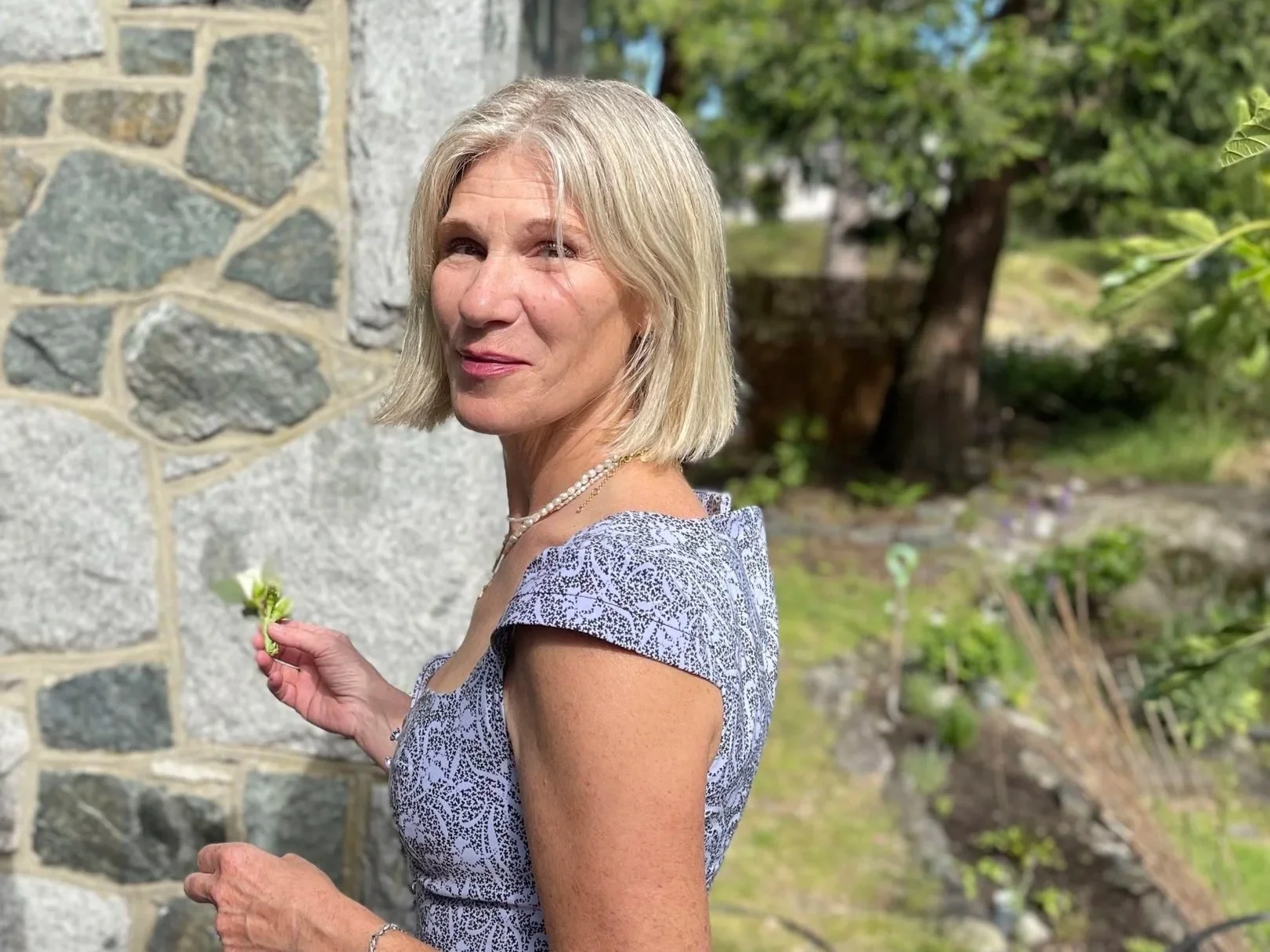
Pamela is a research scientist with 30+ years of experience in consulting and government, initially based in the science sector of BC’s forest industry. She provides services to the forest, renewable energy, mining and conservation sectors. She holds a balanced perspective on development and advocates the merits of a science-based approach to natural resource management.
Pamela was formerly a Research Leader at the British Columbia Ministry of Forests (2016-2025); she holds a Masters of Resource and Environmental Management from the Faculty of Applied Science at Simon Fraser University (2009); and has been a registered Professional Agrologist in British Columbia for over 25 years.
Pamela’s career in science began in 1995, grounded over the next seven years as a Research Assistant in Forest Sciences at the British Columbia Ministry of Forests, where she clocked thousands of hours in the field across disciplines: ecology, soils, silviculture, hydrology, and geomorphology. Pamela undertook over 60 projects in research and ecology and hundreds of field days as co-founder of a consultancy for 13 years (2002-2015). Pamela’s career started as a forest technician in industry, and in 1993 as a log scaler and Forest Revenue Inspection Team member at the British Columbia Ministry of Forests.
She has initiated legacy field research trials, and innovative ecological mapping methods research. Pamela has co-authored forestry guidance, BEC guide books, technical reports and journal papers; contributed to forest policy changes; and presented to diverse, small and large, local to international audiences across western Canada.
Pamela has been an Independent Power Producer in BC since 2007.
Pamela is an avid skier, hiker, fisher person and recently, a novice sailor, with over 10,000 nautical miles as first mate on SY Aquila Maris and SY Venturosa; including circumnavigation of Vancouver Island, BC (2021, 2023); the South Coast, BC (2019, 2020 2021); the Central Coast, BC (2022 and 2023); the Cape to Cape route from Vancouver Island to Gwaii Haanas and the west coast of Gwaii Haanas, BC (2024); and the North Coast, BC (2025).
Featured work:
Combining ALS and Satellite Data to Develop High-Resolution Forest Growth: Potential Maps for Plantation Stands in Western Canada. 2026. Remote Sensing.
Integration of Airborne Laser Scanning data into forest ecosystem management in Canada: Current status and future directions. 2024. Forestry Chronicle.Detection of sub-canopy forest structure using airborne LiDAR. 2021. Remote Sensing of Environment.
Post-Natural Disturbance Forest Retention Guidance. 2018. BC Government.